Wild cannabis strains: Wild-type Cannabis is a crucial resource for crop breeders. As with all other domesticated crops, the populations of Crop Wild Relatives of Cannabis have a very broad genetic base and are likely to have developed numerous adaptations to disease, pests, and adverse conditions such as extremes of climate. They’re also a potential source from which to recreate now-extinct domesticates (e.g., landraces). Only very recently have significant efforts been made by public germplasm banks to create adequate long-term stores of subsp. indica landraces, and collections of their wild-growing relatives remain very limited in diversity. Establishing resources of Crop Wild Relatives of Cannabis as soon as possible is essential, not only for the security of the crop but for creating the advanced cultivars of the future.
Cannabis is an ancient domesticate. Because the species has been spread and modified by humans for millennia, it’s unlikely there are any pristine populations of truly wild Cannabis. As Ernest Small writes, “wild-growing plants of Cannabis sativa L., insofar as has been determined, are either escapes from domesticated forms or the results of thousands of years of widespread genetic exchange with domesticated plants.”
Seeds of wild-type Cannabis exhibit slow and staggered germination. Where cultivation is legal, see this ‘Note on germinating wild Cannabis seeds’.
Showing all 4 results
-

Humla Jungli
Price range: £9.49 through £18.99 Select options This product has multiple variants. The options may be chosen on the product page -
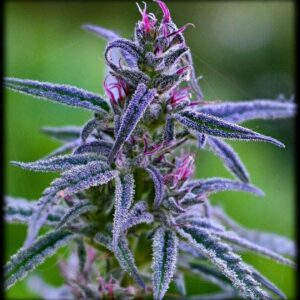
Kazakh Ruderalis
Price range: £19.49 through £38.99 Select options This product has multiple variants. The options may be chosen on the product page -
Sale!
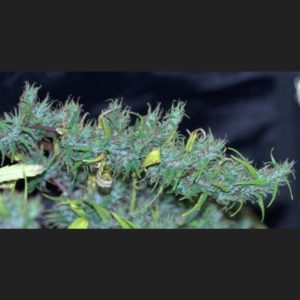
Nanda Devi
Price range: £4.74 through £9.44 Select options This product has multiple variants. The options may be chosen on the product page -
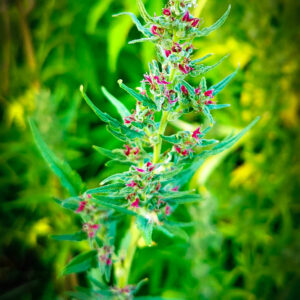
Siberian Ruderalis
Price range: £17.49 through £34.99 Select options This product has multiple variants. The options may be chosen on the product page