For fans of old-school Sativa landraces, here’s a classic morlam track from 1977: ‘Bong Ja Bong!’
‘Bong, Oh Bong!’
The singer, Dao Bandon, celebrates the pleasures of what westerners of the day called ‘Thai stick’ and folks from Laos and Thailand know as ‘sa’ or ‘gancha’.
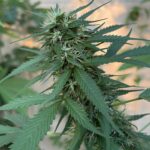
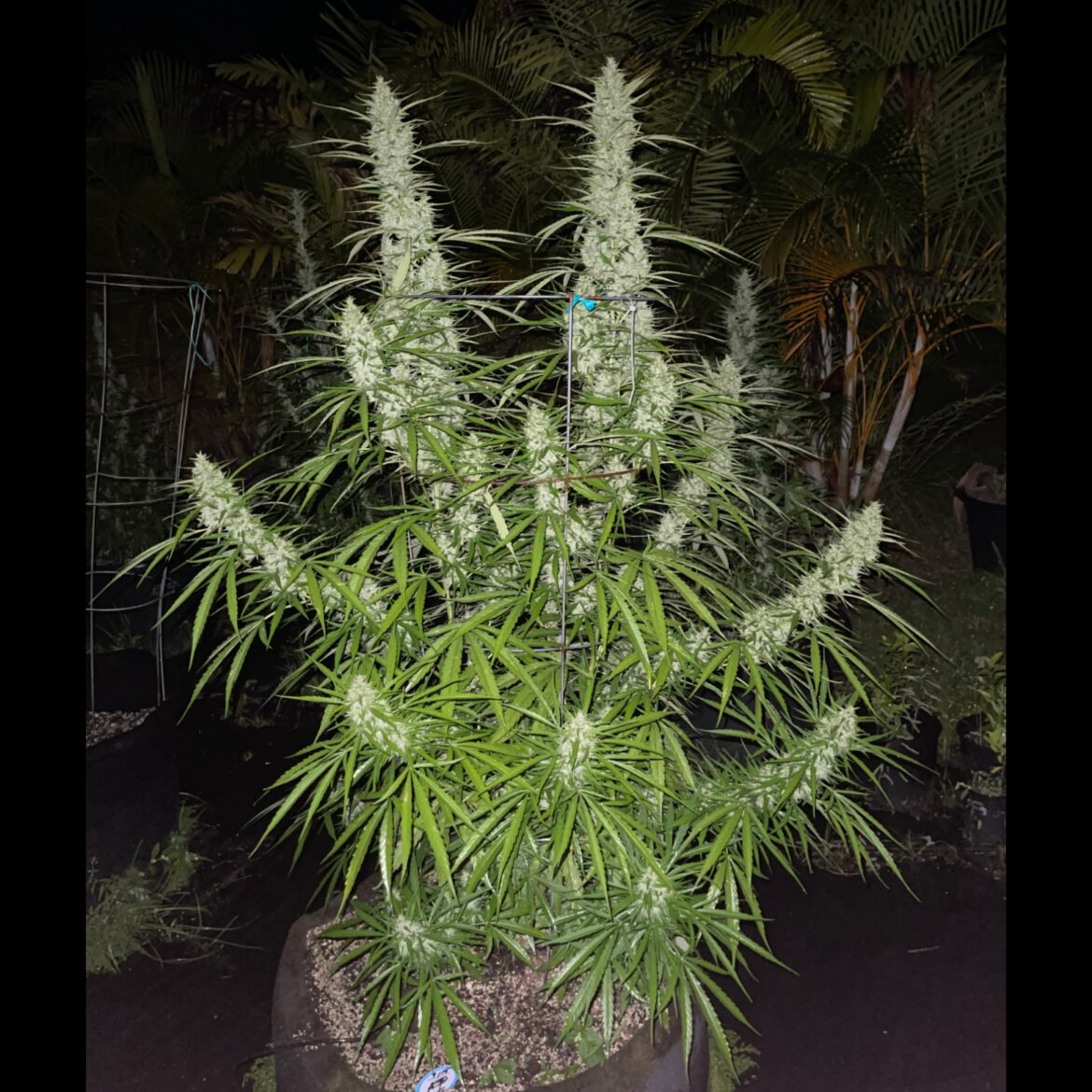
Our Isan Thai accession, a ganja landrace from Ubon, is shown in the photo above, grown with skill outdoors in Hawaii.
‘Bong’ is a word that found its way from Thai and Lao into English during the era of the Hippie Trail and the Vietnam War. Among its earliest recorded instances in western texts is in the McFarland Thai–English Dictionary of 1944, which defines a bong as ‘a bamboo pipe for smoking kancha’.
Typically, the entry for ‘bong’ at Wikipedia is full of misinformation, as with all Wikipedia entries related to cannabis (the Wikipedia entry for ‘charas’ is a special nightmare.) Whoever is responsible for the current edit on bongs perpetuates the usual drivel: quelle surprise, bongs are represented as if, when it comes to Southeast Asia, they’re exclusive to the ethnic group western Orientalist discourse persists in imagining as the most ‘exotic’ and most deeply involved with ‘drugs’: the Hmong.
Cannabis & the Hmong: Hemp vs Ganja looks at this diehard ‘Hmong as exotic drug hilltribe’ trope as it relates to cannabis and bongs. You can also check out Those Scythian Bongs Don’t Exist.
To add irony to the nonsense, in a recently constructed genome tree for cannabis, Hmong hemp landraces from highland Laos sit way out by themselves, far apart from drug-type samples from Southeast Asia. Not only are Hmong hemp lines from Laos distant from the Lao, Thai, and Shan landraces used for ganja but they’re separated by an entire class of landraces that sits in-between, namely drug-type landraces from India and Nepal.
Interestingly, the closest variety to our Isan Thai in this new genome tree is a Jamaican heirloom, which analyses locate in among ganja landraces from Southeast Asia. This is at odds with geography, but assuming everything is authentic, fits with the received wisdom that westerners introduced Isan Thai landraces to the Caribbean in the 1970s.
Anyway, to finish on a more positive note, enjoy Dao Bandon extolling the joys of getting paid, getting himself some ganja, and getting laid with his lady friend, ‘nong Noot’ – ‘another bong and another bong – don’t stop!’
***
As an afterthought, here’s a performance on Thai national TV by the Ubon-born artist who succeeded in bringing morlam from the Lao riverside villages and towns of Isan to audiences all across Thailand: Banyen Rakgan.