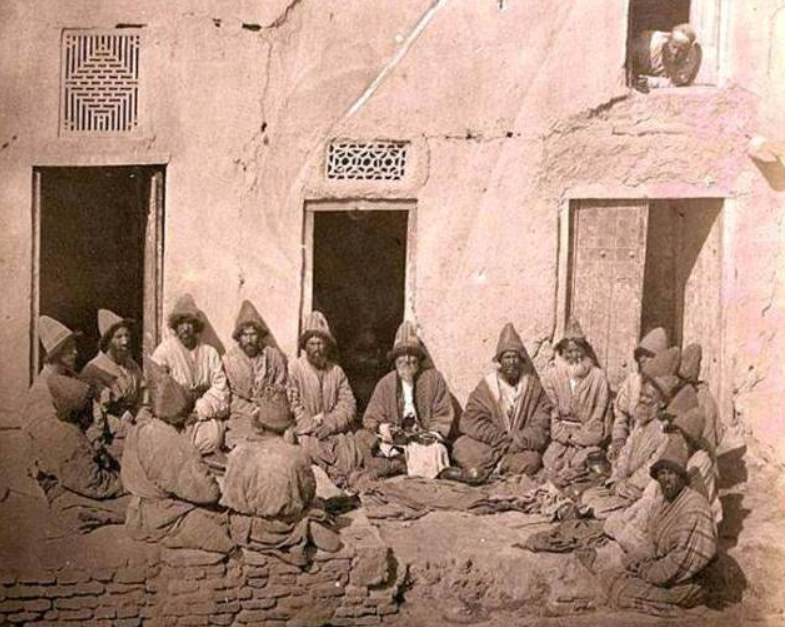
The colonisation of Central Asia by the Tsarist and Soviet Empires from the 1860s to 1930s saw a sudden collapse of cannabis cultivation around historic charas-producing centres such as Bukhara and Xinjiang, the latter under Governor Sheng Shicai, a Soviet-backed Chinese warlord.
This rapid disappearance of cannabis farming is visible in pollen records, charas trade statistics, and the medical literature of the Soviet system.
In parallel, throughout Soviet Central Asia, radical anarchic forms of mystical Islam such as those practiced by wandering groups of qalandars, malangs, and dervishes, together with the culture of their lodges (khanqahs) and shrines, were all quietly obliterated.
Authoritarian modernising states such as Ataturk’s Turkey pursued similar policies for the same reasons.
The few modern states where this form of radical Muslim cannabis culture lived on were Afghanistan and – ironically – Pakistan and India.
In the latter, the approach to cannabis under the British imperialist system had struck a balance between extractive colonial capitalism (greed, freedom) and policing and surveillance (control, oppression).
By contrast, the totalitarian rulebook is more straightforward: all forms of civil society from the town mayor, to the grand lamas in a Buddhist monastery, to the grannies doing eccentric exercises in the park, or the wild Sufis gathered to smoke and drum and whirl at a shrine on Thursday night are annihilated – quote, ‘without mercy’….
Related Posts
 Open Source Civilization and the Unexpected Origins of the Silk Road
 Documentary – 1970: The Year That Changed Cannabis in America Forever
 Are the effects of landraces really so different from modern cannabis?
 Ganja plant ready for cutting – Bengal, India (1894)
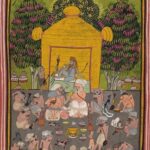 Stoned sadhus smoking ganja – Rajasthan, India (1780s)
 Nepali Highland – a ganja landrace from east Bengal?